


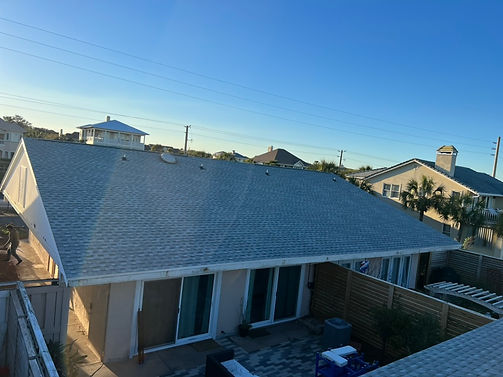


The Great Debate: Asphalt Roofs vs. Metal Roofs - Weighing the Pros and Cons
- nassauroof

- Apr 10
- 4 min read
When it comes to roofing options, homeowners often find themselves stuck between two popular choices: asphalt roofs and metal roofs. Each type brings its own strengths and weaknesses to the table, making the decision process a bit overwhelming. In this post, we will explore the pros and cons of both asphalt and metal roofing, arming you with the information you need to make the best choice for your home.
Understanding Asphalt Roofing
Asphalt roofing, mainly made of asphalt shingles, is one of the most widely used materials for residential homes. It's well-known for its affordability and simple installation process. Approximately 75% of U.S. homes featuring sloped roofs sport asphalt shingles.
Pros of Asphalt Roofing
Affordability
Asphalt shingles generally cost between $3 and $5 per square foot, making them an attractive option for homeowners on a budget.
Variety of Styles
Homeowners can choose from a wide range of colors and styles. For example, some asphalt shingles are designed to mimic more expensive materials, like wood or slate, enhancing your home's charm.
Ease of Installation
Because the installation of asphalt shingles is relatively straightforward, a typical installation can take as little as two days. This simplicity often leads to lower labor costs.
Neighborhood Compatibility
In many neighborhoods, asphalt roofs dominate, offering a cohesive look that many homeowners appreciate.
Cons of Asphalt Roofing
Limited Lifespan
The average lifespan of an asphalt roof ranges from 15 to 30 years, which is significantly shorter than metal roofs that can last over 50 years.
Susceptibility to Weather Damage
Asphalt shingles may curl or crack due to extreme weather, especially in regions with harsh climates. Homeowners may need to repair their roofs more frequently as a result.
Environmental Impact
Since asphalt shingles are petroleum-based, they raise concerns regarding sustainable options, particularly given that they are not recyclable.
Weight
Asphalt shingles can be heavy, which might necessitate additional structural support, potentially increasing installation costs.
Understanding Metal Roofing
Metal roofs have become increasingly popular due to their durability and energy efficiency. Common materials include steel, aluminum, and copper, each offering different benefits and aesthetics.
Pros of Metal Roofing
Durability
Metal roofs can last 50 years or longer, making them a worthy investment for homeowners.
Weather Resistance
These roofs excel in resisting extreme weather conditions; they can withstand winds of up to 140 miles per hour, hail, and heavy snowfall, minimizing the risk of damage.
Energy Efficiency
Metal roofs reflect solar heat, which can lower cooling costs by up to 25% in warm climates.
Low Maintenance
They demand minimal upkeep. For instance, a properly coated metal roof can prevent rust and is easier to maintain than asphalt shingles.
Cons of Metal Roofing
Higher Initial Cost
Metal roofing costs between $7 to $15 per square foot. While this upfront cost is significant, it can pay off through energy savings over time.
Noise
Metal roofs can generate more noise from rain and wind. However, adding insulation during installation can help mitigate this issue.
Expansion and Contraction
Temperature changes can cause metal roofs to expand and contract, which may lead to noise or panel movement if not properly installed.
Aesthetic Limitations
Though there are various styles and colors, metal roofs may not suit every architectural design. Traditional homes occasionally look better with asphalt shingles.
Comparing Costs
When considering the financial aspect, it's essential to address both initial costs and long-term savings.
Asphalt Costs
Installing an asphalt roof generally costs between $3 and $5 per square foot. For an average 2,000 square foot home, the total installation would range from $6,000 to $10,000, making it a budget-friendly solution.
Metal Costs
Metal roofing can range from $7 to $15 per square foot. For a similar-sized home, that results in costs between $14,000 and $30,000. Despite the higher initial investment, homeowners could save on energy bills and repairs, justifying the expense over time.
Aesthetic Impact
The look of a roof can greatly influence a home's curb appeal and potential resale value.
Asphalt Aesthetics
With asphalt shingles available in numerous colors and styles, homeowners can easily find options that match their architectural style. For example, certain shingles can mimic the look of cedar shakes without the maintenance of real wood.
Metal Aesthetics
While metal roofs come in various colors and finishes, their industrial appearance might not fit all home designs. Contemporary homes often look stylish with a metal roof, while classic styles might be better suited for asphalt shingles.
Installation Insights
The installation methods for asphalt and metal roofs differ considerably.
Asphalt Installation
An asphalt shingle roof can be installed typically within a few days. A qualified roofer can usually complete a standard installation, keeping disruption to a minimum.
Metal Installation
Metal roofing often demands specialized skills, especially for intricate designs. The installation process can take longer, which may influence labor costs. However, once in place, a well-installed metal roof can deliver decades of reliable performance.
Evaluating Fire Resistance
Fire resistance is an essential consideration when selecting roofing materials.
Asphalt Fire Resistance
Asphalt shingles are considered non-combustible, providing decent fire resistance. However, during extreme fire conditions, they can still sustain damage.
Metal Fire Resistance
Metal roofs are inherently fire-resistant, making them safer in areas prone to wildfires. They are less likely to ignite or sustain damage when exposed to flames compared to asphalt.
Environmental Considerations
As sustainability becomes increasingly vital to homeowners, the environmental impact of roofing materials is critical.
Asphalt Environmental Impact
Asphalt shingles are not recyclable and contribute significantly to landfill waste. Their production generates notable carbon emissions, raising concerns for eco-conscious individuals.
Metal Environmental Impact
Metal roofs can often be made of recycled materials and are typically 100% recyclable at the end of their life cycle. This makes them a more sustainable option for homeowners looking to minimize their environmental footprint.
Wrapping Up the Debate
In the asphalt roofs vs. metal roofs debate, both options present unique advantages and disadvantages. Asphalt roofs are budget-friendly and versatile but come with a shorter lifespan and may require frequent maintenance. Meanwhile, metal roofs provide exceptional durability, energy efficiency, and longevity but carry higher initial costs and aesthetic limitations.
As you consider your roofing options, reflect on your budget, climate, and design preferences. With careful evaluation of these factors, you'll be well-equipped to make an informed decision that best meets your family's needs.


Comments